
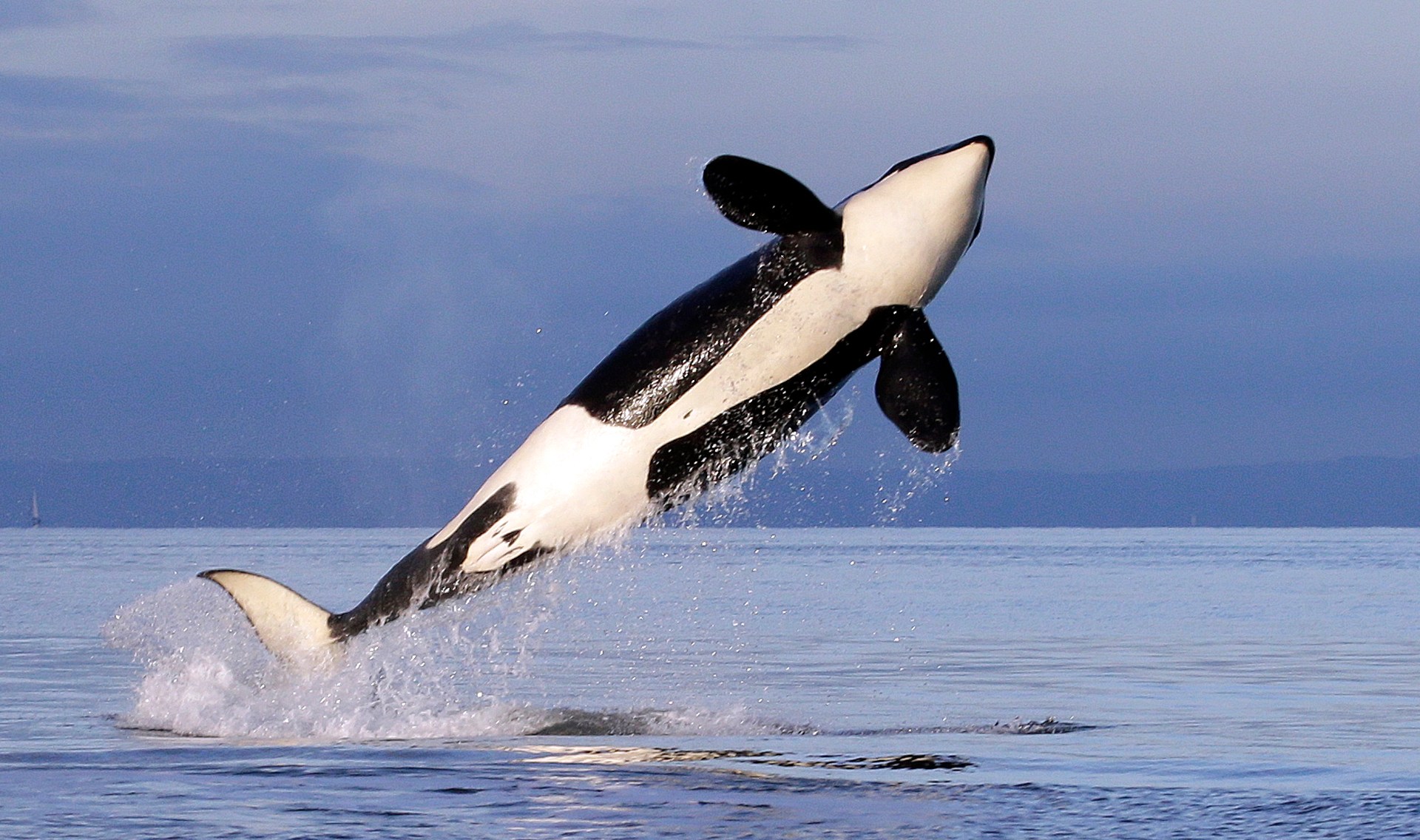

The world-first agreement aims to protect 10 million species from threats such as climate change, overfishing and deep-sea mining.
A landmark UN treaty to protect marine biodiversity in international waters is set to enter into force after 81 governments agreed to incorporate it into their national laws.
In total, 148 countries, representing three-quarters of all member states of the United Nations, have signed it. High Seas Treaty Since its adoption in June 2023.
Recommended stories
4 List of itemsEnd of list
Countries that have fully ratified the treaty in their national laws include island nations such as Palau, Cuba, and the Maldives, as well as some of the world’s largest economies, including China, Germany, Japan, France, and Brazil.
Entering into force on Saturday and officially known as the Convention on the Conservation and Sustainable Use of Marine Biological Diversity Beyond National Jurisdiction (BBNJ), the agreement provides new protection for two-thirds of the world’s oceans and about 10 million different species, many of which are still unknown.
Rebecca Hubbard, director of the High Seas Alliance, a non-governmental organization that supports the treaty, said the agreement provides a means to protect “an extraordinary part of our planet”.
“The high seas are teeming with life, all the way from tiny plankton to the massive whales that depend on them,” Hubbard said in a statement.
“We are just beginning to understand how important this vast, interconnected world is to the health of our entire planet,” she said.
“Whether they are underwater mountains, deep-sea plains and trenches, icy polar waters, or open-ocean highways along which migratory species travel, the high seas are as important as they are vast,” she added.
UN Secretary General Antonio Guterres described previously The agreement as a “lifeline for the oceans and humanity”, as it faces threats including “climate change, biodiversity loss and pollution”.
“Covering more than two-thirds of the ocean, the treaty sets binding rules for the conservation and sustainable use of marine biodiversity, shares benefits more equitably, creates protected areas and advances science and capacity-building,” Guterres said last year, urging governments that have yet to ratify to do so.
The United States, which signed the deal in 2023, is one of several holdouts, along with India, the United Kingdom and Russia.
Countries that have signed the treaty but not yet ratified it are not legally bound to fulfill its requirements, but are to refrain from activities that conflict with the treaty’s objectives.
US President Donald Trump has announced that his country plans to withdraw from a wide range of UN treaties and agreements, though not including the High Seas Treaty. 66 UN and international organizations That plan to leave, Released last month.
Trump has also signed a controversial executive order Promote deep sea miningPromised to expand offshore drilling for oil and sank a deal Clean up contaminated fuel In global shipping.