


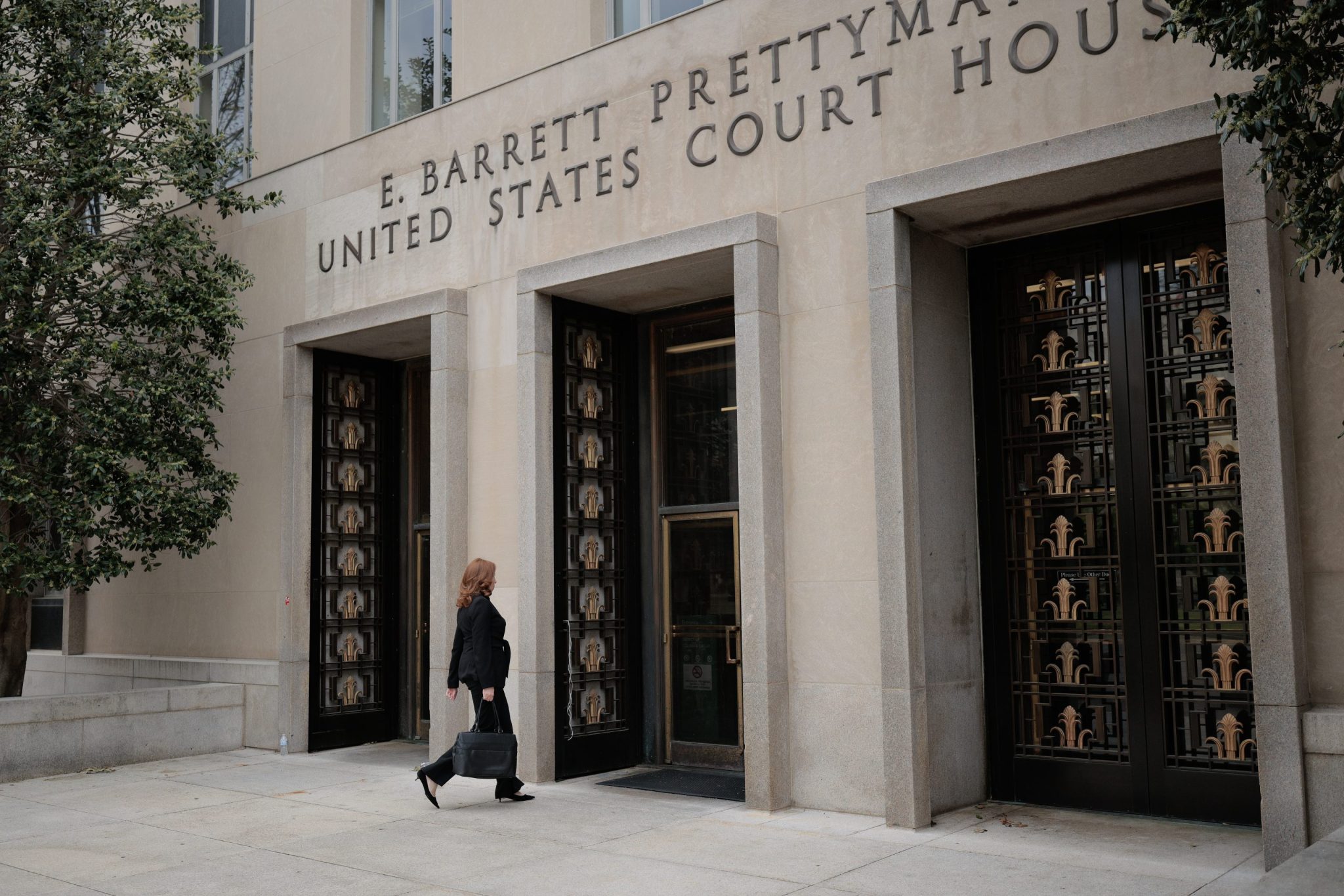
The longest U.S. government shutdown in history is officially over, but as a result of The coming months will continue to hit two groups particularly hard: federally funded defense attorneys and the people they represent.
Thousands of court-appointed attorneys, known as Criminal Justice Act panel attorneys, as well as paralegals, investigators, expert witnesses and interpreters have not been paid since June because funding for the federal Defender Services Program, which is $130 million less than the Justice Department requested, ran out on July 3. They were told they would receive deferred payments once Congress passed a new budget, but as the shutdown dragged on, many were unable to continue trials or take on new clients.
Nationwide, CJA attorneys handle approximately 40 percent of cases in which defendants cannot afford an attorney. With many cases at a standstill, defendants’ lives are on hold while they wait to appear in court. Meanwhile, the federal government continues to arrest and charge people.
“The system is about to break,” Michael Chernis, an attorney with the CJA Southern California group, said during the shutdown. He has not taken on a new case since August and has had to apply for a loan to pay his law firm salary.
Unpaid defense team members in several states say they have had to dip into personal retirement savings or turn to gig jobs, such as driving for Uber, to support their families.
The panel’s attorneys should start receiving payments as early as next week. The resolution passed by Congress to fund the government through Jan. 30 provides an additional $114 million for the Defender Services Program “to address the backlog in panel attorney payments,” Judge Robert Conrad, director of the Administrative Office of the Courts, said in a Thursday memo.
But the crisis isn’t over yet — Conrad said the pending fiscal 2026 spending bill is still $196 million short and could run out of money in June to pay lawyers for the CJA panel.
U.S. federal court halts and dismisses case
The problem is particularly acute in the Central District of California, one of the largest and most complex federal trial courts in the country. About 80 of the district’s roughly 100 such attorneys have stopped taking new cases.
One of Chernis’ clients lives in Sacramento, but neither Chernis nor the court-appointed investigator can afford the travel expenses to meet with him to discuss the case. Chernis said the experts they needed for the trial also would not agree to travel to Los Angeles to work on the case without being paid.
In New Mexico, a judge Aborted a death penalty caseThe cases are expensive and labor-intensive to prepare, and at least 40 attorneys have decided not to take on new cases even after the shutdown ends if the overall funding shortfall is not resolved.
Dolly Gee, chief judge of the Central District of California, wrote in an Oct. 30 letter to California Sen. Adam Schiff that the situation had become “serious.”
“These attorneys seek to delay cases when they cannot find investigators and experts willing to work without pay, adding to court backlogs and leaving defendants languishing in already overcrowded local jails,” Gee said. “Without additional funding, we will soon be unable to appoint attorneys for all defendants who are constitutionally entitled to representation.”
For defendants who can’t hire lawyers, judges may have to dismiss cases, she said.
Just hours before the government shutdown ended, Judge John A. Mendez of the Eastern District of California dismissed the criminal case against a man indicted on charges of distributing methamphetamine.
“The right to effective assistance of counsel is a fundamental principle of this country and is unquestionably necessary to the functioning of a fair criminal justice system,” Mendez wrote.
The defendant’s constitutional rights may have been violated
Everyone in the United States has the right to due process, including the right to legal counsel and the right to a fair and speedy trial guaranteed by the Fifth and Sixth Amendments.
Critics of the Trump administration have tried to make the case that the Trump administration is weakening the right. Immigration advocacy groups have made this accusation in multiple lawsuits. Most notably, they cite the following cases Guilma Abrego Garcia, A Salvadoran man living in Maryland was wrongly deported to El Salvador and imprisoned without contact with the outside world.
president Donald Trump He has been very careful in upholding his constitutional due process rights, he said in a statement interview NBC told “Meet the Press” in May that he didn’t know whether U.S. citizens and non-citizens alike should get such a guarantee.
Case remains pending
Funding turmoil has delayed Christian Serna-Camacho’s trial for at least three months. An investigator spent hours poring over body camera recordings, news reports and social media content and could not do more work until he was paid, his attorneys said in court documents.
Serna-Camacho was arrested in June and charged with assaulting a federal officer during a June 7 protest over Trump’s immigration policies in Paramount, a suburb of Los Angeles. His attorney, Scott Tenley, wrote in a recent court filing that he was out on bail but couldn’t find a construction job while wearing an ankle monitor because it would pose a safety risk on the job site.
David Kaloynides, a CJA group attorney in Los Angeles, can’t even communicate with some of his clients during the shutdown because they only speak Spanish and interpreters are not paid. He said his caseload is full and he plans a trial in 2027 while many clients wait in jail.
“We do this assigned job not because of the money, but because of our dedication,” Kalonides said. “But we can’t do it for free either.”