


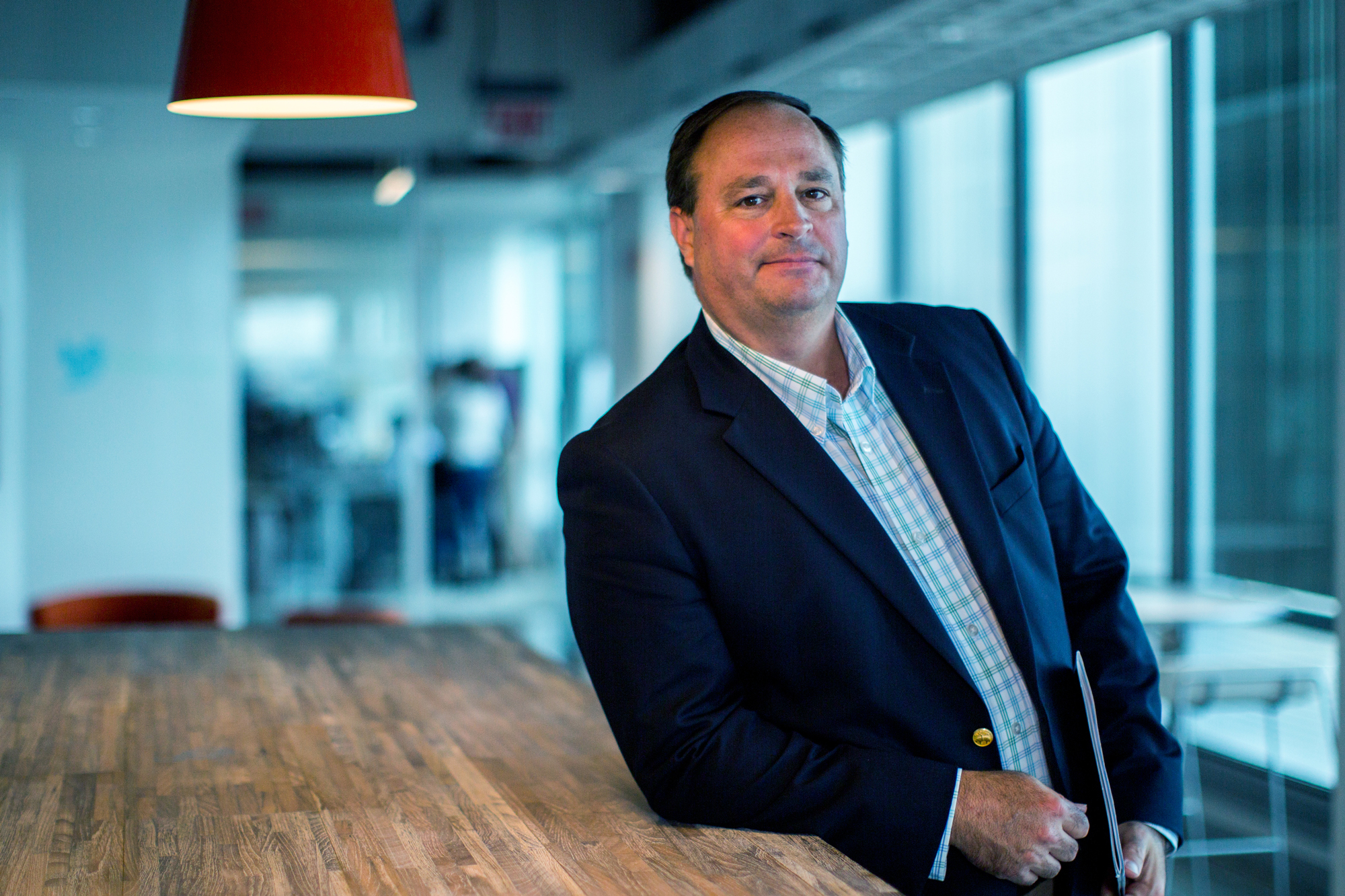
I recently had the opportunity to testify before the Joint Economic Committee of the U.S. Congress on a very timely and relevant topic for business leaders and all Americans: improving long-term health outcomes and ultimately reducing costs in our health care system. So why do lawmakers want to hear from life insurance CEOs? Quite simply, we each have a responsibility to help more Americans live longer, healthier, and better lives.
While life expectancy continues to increase, the average American will live nearly 12 years in poor health, and lifestyle diseases including heart disease, cancer, stroke, and diabetes are now in the spotlight. leading causes of deathbringing unprecedented expenses and tremendous pressure to individuals and their families. 2024, 90% of the nation’s $4.9 trillion Annual healthcare spending is attributed to chronic and mental health conditions, and forecasts indicate that by 2030, More than 80 million Americans Have three or more chronic diseases. Additionally, the United States loses an estimated $55 billion per year ——Emphasis on the importance of decisive action.
These trends are concerning, to say the least, and the compounding impact on our communities and economy is significant. But there are still glimmers of hope. Advances in personal health technologies, prevention strategies, and early detection and screening methods offer promising opportunities for early intervention and improved long-term outcomes. As these new tools become more widely adopted and cross-sector collaboration makes them easier to use, we can change that course.
In the private sector, and particularly in my part of the life insurance industry, we have a responsibility to create more comprehensive solutions whose benefits extend beyond our lines of business. In our model, the longer a customer lives, the longer we receive financial benefit. When our customers live longer and Healthier lives are better for them and their families, and better for society, because they are more productive members of the economy and put less pressure on the health care system.
In 2015, we launched John Hancock Vitality, which combines traditional life insurance with tools, resources, incentives and rewards to help our customers take one small step every day toward a longer, healthier, better life. Customers can earn points for their activities – from getting a good night’s sleep and exercising daily, to meditating, having regular check-ups and attending cancer screenings. These points add up to rewards including savings on life insurance premiums, discounts on fresh produce, free Amazon Premium memberships, hotel deals, and free or discounted wearables. More than ten years later, result The characteristics of this incentive model are self-evident. Our customers:
- Participate in the program 20-30 times per month. For traditional life insurance policies without Vitality, customer interactions are only 1-2 times per year;
- Takes twice as many steps as the average American;
- 80% of our most active clients reported improved health, with 52% of those with hypertension having blood pressure readings within healthy ranges; 45% lowering their body mass index; and 63% keeping cholesterol within healthy ranges.
We continue to evolve this program to include the latest advances in prevention and early detection tools so our customers can make the most informed decisions about their health. Most recently, this has included visiting GRAIL’s Galleri® Various cancer early detection tests. Through these contributions, some of our customers Cancer and other diseases are detected earlier than they otherwise would be. To protect their privacy, we will never know which customers choose to participate in these tests, but some have contacted us to share how our products saved their lives.
We’ve seen firsthand that incentive-based models can drive meaningful behavior change and support better health outcomes over time. But to have a broader impact, more businesses and industries need to adopt models that benefit their businesses, customers, and more. If we do not act together across the private and public sectors, the costs and human toll will be devastating. While the situation may seem overwhelming, if each of us focuses on how and where we can contribute and capitalize on the progress that has been made, we can begin to turn the tables and collectively help more Americans live longer, healthier, and better lives.
The views expressed in Fortune opinion pieces are solely those of the author and do not necessarily reflect the views and beliefs of: wealth.
This story was originally published on wealth network