
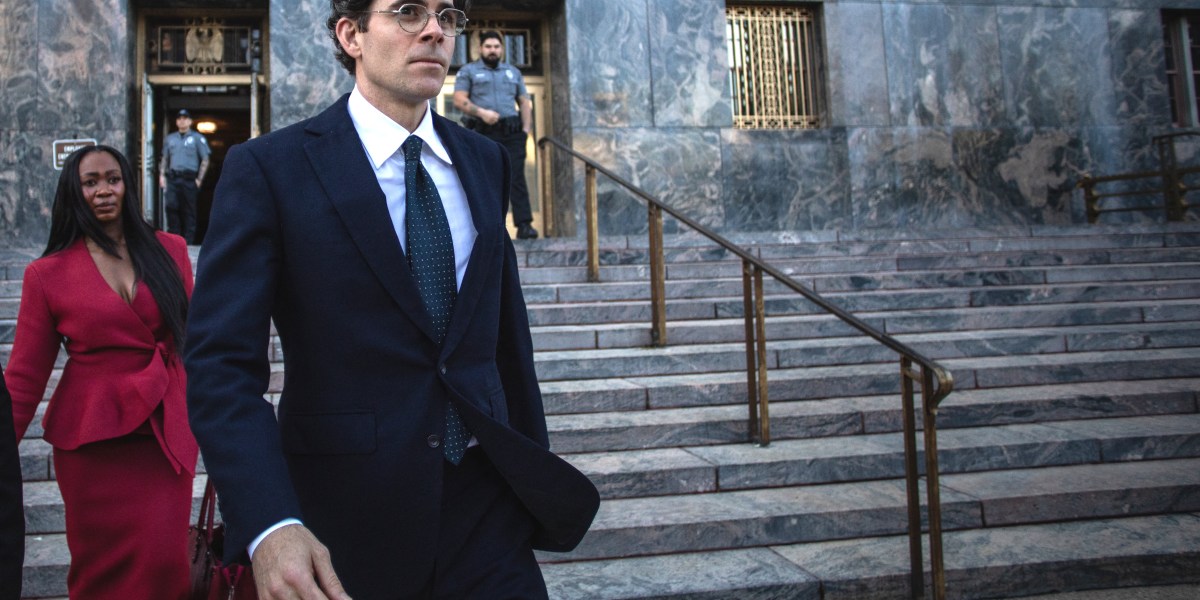

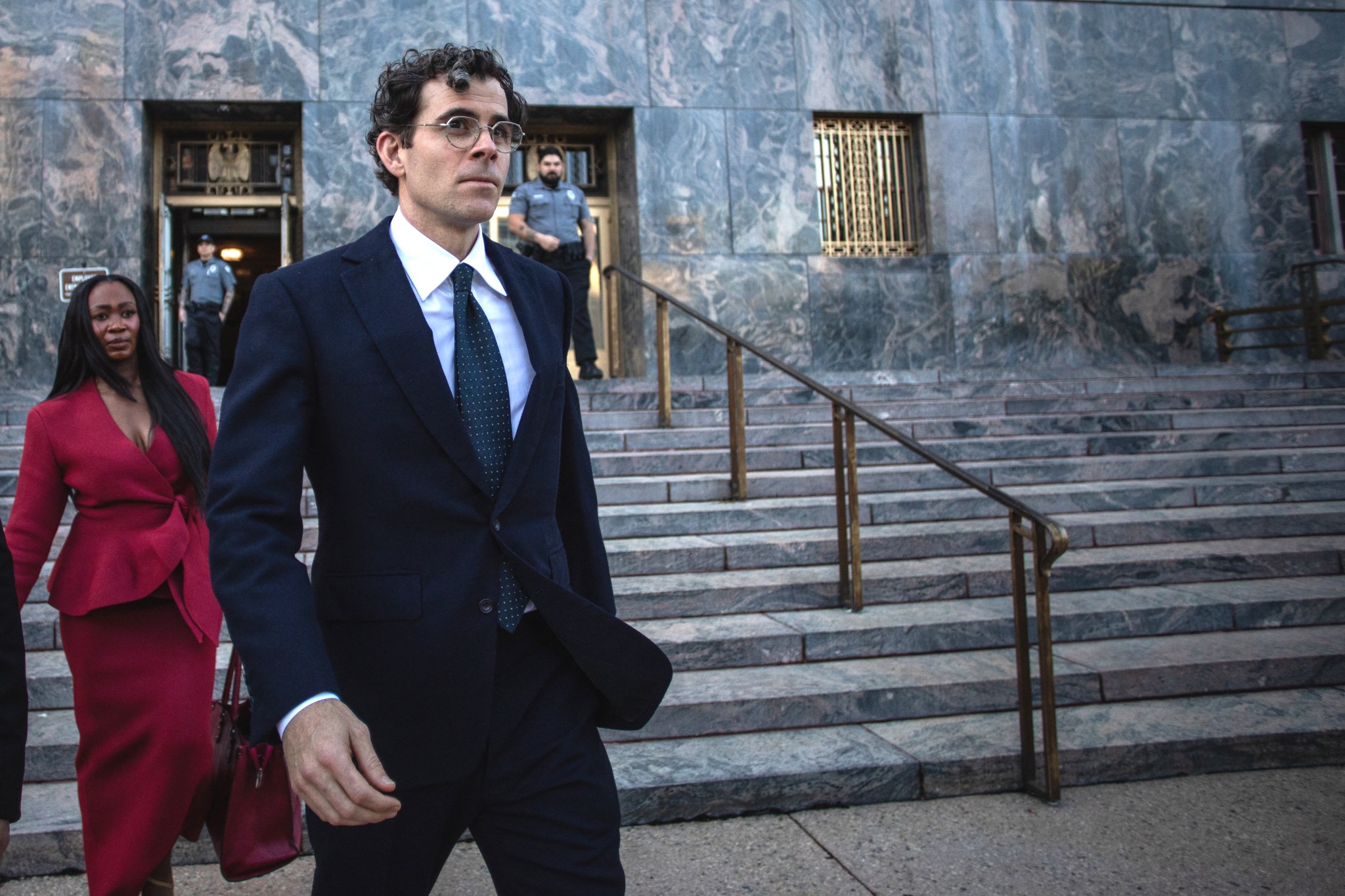
director Instagram Adam Mosseri’s compensation criticized in landmark social media addiction trial against Meta Youtube Wednesday in Los Angeles.
According to multiple media outlets covering the trial, Mosseri, who has led Instagram since 2016, revealed during questioning that his annual salary was about $900,000, with annual performance-based bonuses that could be as much as half of his salary. Mosseri also earns stock-based compensation, which he said varies from year to year but has been in the “tens of millions of dollars.” Some years, he said, that number has exceeded $20 million.
The 20-year-old plaintiff, who goes by the initials “KGM” or “Kaley,” claim She developed mental health issues due to her social media addiction. The issue of Mosseri’s pay came up when Mosseri’s attorney, Mark Lanier, asked about the connection between Mosseri’s compensation and the choices he made to grow the company and whether it would spur social media addiction. Lanier also mentioned Mosseri’s previous reference Instagram’s addictive quality in podcasts, although it’s not clear which podcast he was referring to. Mosseri explained that he may have used the word “too casually,” as people sometimes do.
Mosseri has vehemently denied claims that Instagram is addictive and targets teenagers to maximize profits, saying the company makes the least money from teenagers compared to other demographics because they have no disposable income.
Mosseri said there was an important distinction between “clinical addiction” and “problematic” use, although he also repeatedly said he was not a medical professional.
“I believe that protecting minors is good for the bottom line and good for the business in the long run,” Mosseri said when questioned by Meta’s attorneys. But that’s not all Mosseri has to deal with.
Internal documents exposed
Lanier showed the court internal documents written by Meta executives showing they knew the filters were harmful to young women but that removing such filters would make the company less competitive, CNN reports.
“We are discussing encouraging body dysmorphia in young girls,” an email from a Meta executive read. In a separate email, an executive said banning filters would “limit our ability to compete in Asian markets, including India.”
Mosseri said Instagram initially decided to ban all filters that distort faces, but later reversed its decision.
Lanier asked Mosseri whether banning filters that alter a user’s appearance would hurt the company’s bottom line. “I was never concerned that this would impact our stock price,” Mosseri responded, defending the idea that his compensation was tied to product design choices that were harmful to users.
Meta’s proxy statement filed with the SEC only contains detailed pay schedules for named executives, including Mark Zuckerberg and a handful of business executives; Mosseri is not typically listed among those named officials, so his exact annual compensation is not detailed in the proxy form like CEOs, making his testimony the closest to his compensation to date.
Meta did not immediately respond of wealth Requested comment on the trial and Mosseri’s compensation.
Mosseri’s testimony was a preview of what’s to come next week, when Meta CEO Mark Zuckerberg is expected to testify.