

Global businesses are entering an era of instability, marked by trade frictions, shifting geopolitical alliances and growing pressure to redesign supply chains. Old assumptions of seamless globalization are giving way to a fragmented reality, with tariffs, sanctions and export controls threatening to upend operations overnight. Geopolitical uncertainty – from regional conflicts to strategic de-risking among major economies – is forcing companies to rethink sourcing, manufacturing and market access. Supply chains, once optimized for efficiency, now require carefully planned safeguards to protect against political risk, regulatory volatility and sudden disruptions. This shift is structural, not temporary.
As world leaders gather in Davos, CEOs face the reality of geoeconomic fragmentation — among them Elasticitynot efficiency, will define competitiveness.
The new normal: Geopolitics and growth are inseparable
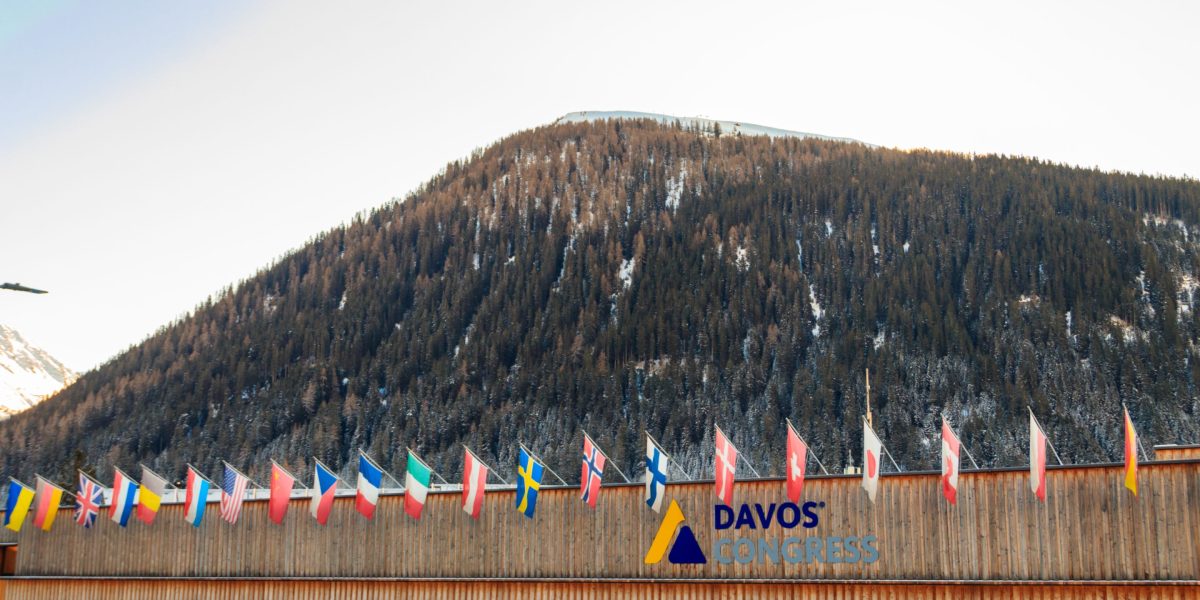
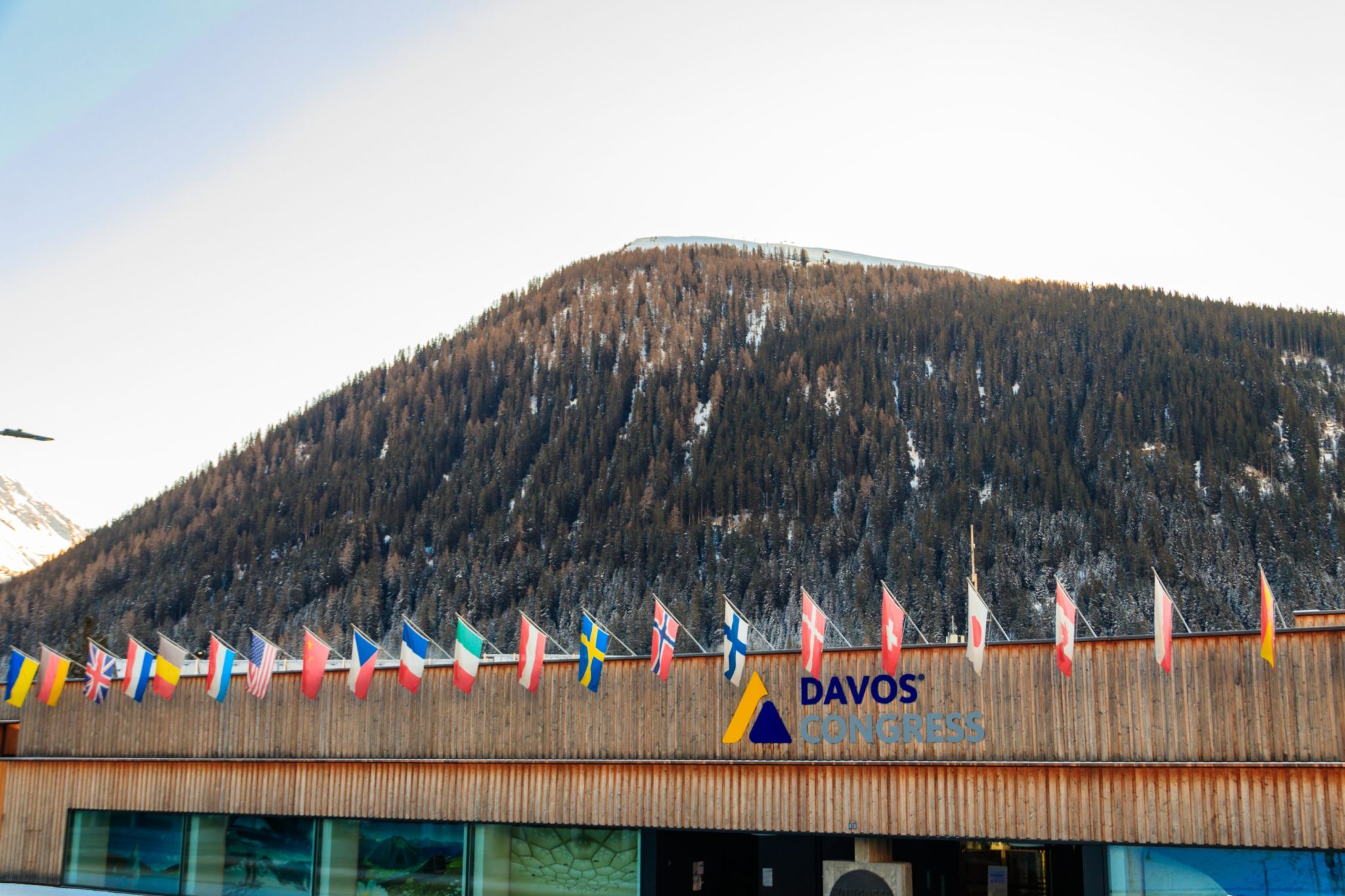
The World Economic Forum will open on January 19, 2026, and the message to global businesses is simple: old strategies are obsolete. Geopolitics and trade have become inseparable, with sanctions, tariffs and export controls affecting market access as much as consumer demand. In this environment, risk management is no longer a back-office function; This is a strategic directive at board level.
The World Economic Forum’s theme, “Spirit of Dialogue,” revolves around five imperatives: cooperating in a contentious world; unlocking growth potential; investing in people; deploying innovation responsibly; and building prosperity on a planetary scale. This framework reflects what executives are already feeling across profit and loss statements and risk registers: trade, regulation, technology and climate have been integrated into a single operating system for corporate strategy.
Trade is fragmenting, but competition for growth is intensifying
Davos 2026 will focus on a key question: how to achieve growth in an era of fragmentation and changing rules.
Recent indicators reflect a two-speed reality. WTO’s 2025 outlook warns of turmoil: Surges in tariffs and policy uncertainty dim the near-term outlook, with scenarios ranging from a modest decline in goods trade to only a modest recovery.
Paradoxically, however, UNCTAD reports that global trade will reach a record $35 trillion by 2025, driven by East Asia and South-South corridors. This is not a collapse of globalization but a reconfiguration of globalization. Business is adapting, not retreating; turning to regional clusters and politically aligned bilateral partners.
New analysis from McKinsey reveals the underlying architecture: trade is tilting toward proximity and trust. U.S. capital inflows increasingly favor Mexico and Vietnam; Europe continues to turn away from Russia; ASEAN, India and Brazil are building cross-bloc relationships. These patterns suggest that growth is still achievable—but through different pathways and under different rules, where resilience and strategic alignment are as important as efficiency.
Sanctions and tariffs are converging into a national security-led regulatory front
Consistent with this overall shift, boards can no longer view sanctions, export controls, tariffs and trade defenses as discrete issues. Regulators themselves are more closely aligned than at any time in recent memory, and this integration is blurring the traditional lines between trade compliance and geopolitical risk management, creating a complex environment in which companies must navigate overlapping constraints.
On 26th, 2025, the United States and the European Union will conduct stricter reviews of advanced technologies, China will strengthen customs and export controls on strategic resources, continue to strengthen controls on domestic and foreign investments, and continue to put pressure on Russia, Iran, and China. At the same time, tariffs have moved from being a secondary tool to being the main driver of trade outcomes – suppressing volumes and forcing companies to bring forward shipments or change processes, as seen in the first half of 2025, when cross-border trade data reflected companies bringing forward imports ahead of the expected impact of tariff escalation. Tariff adjustments may trigger sanctions risk and vice versa. The result is a unified, high-stakes framework where proactive monitoring and strategic foresight are critical to staying competitive and avoiding costly disruptions.
Supply Chain: Resilience with Measurable Value at Risk
In addition, supply chain resilience is expected to be further upgraded from a defensive measure to a core growth lever in 2026. Today, in a world where disruption is structural rather than cyclical, resilience underpins agility, market access and investor confidence. As a result, industry analysts point to three major pressures: geopolitical interference, regulatory complexity (including human rights and due diligence regimes across jurisdictions), and climate-driven shocks. Taken together, these trends make resilience a strategic differentiator: companies that invest in adaptable, compliant, and transparent supply chains not only reduce risk but also realize sustainable performance gains.
CEOs need new resilience strategies
Many companies are not prepared to deal with the combined legal, operational and geopolitical risks. Here are the pragmatic board-level strategies we see high performers employ:
- It starts with building the right teams and equipping them to adapt to a world where traditional silos are no longer sufficient: Resilience requires cross-functional collaboration. The requirements for investment in talent at Davos 2026 reflect the need to equip teams with interdisciplinary expertise: Legal teams must master geopolitical risks; compliance officers need to be familiar with sanctions regimes; procurement experts should be well-versed in export controls and ESG dynamics; and teams must be prepared for cyber threats. Top management must oversee all of this.
- Second, a culture of operational continuity is at the heart of resilience and thrives on adaptability. In a world where global shocks and policy disagreements threaten to disrupt supply chains, digital systems and workforce stability, organizations that embed continuity into their culture stand out. This means considering strategically incorporating delays into critical processes, requiring rigorous risk assessment and quickly adapting plans through an established governance framework when circumstances change—whether due to market volatility, geopolitical tensions, or unexpected operational challenges. For leading companies, continuity is proactive—ensuring not only operational stability but also compliance adaptability and maintaining trust, sustaining performance, and transforming unpredictability into expected and manageable constants.
- Third, a strong internal compliance program (ICP) is critical—not as a static checklist, but as a dynamic framework that evolves with geopolitical and regulatory changes. This means continuously monitoring sanctions, export controls and trade restrictions and establishing clear lines of communication between legal, procurement and operations teams. Strong ICP should anticipate risks, not just react: scenario planning, early warning systems and regular cross-functional briefings can help organizations stay ahead of sudden policy changes. Integrating compliance into strategic decisions ensures that resilience is not an afterthought but a core business capability designed to grease the wheels of productivity rather than clog it.
- Finally, documentation, although often overlooked, is the cornerstone of accountability. CEOs should ensure documentation is viewed not as a formality but as a strategic tool: it establishes internal accountability, demonstrates diligence to regulators, and serves as the first line of defense for audits or investigations.
In a fragmented global environment and an era of uncertainty, rigorous preparation is both the most reliable shield and the most effective weapon.
The views expressed in Fortune opinion pieces are solely those of the author and do not necessarily reflect the views and beliefs of: wealth.