
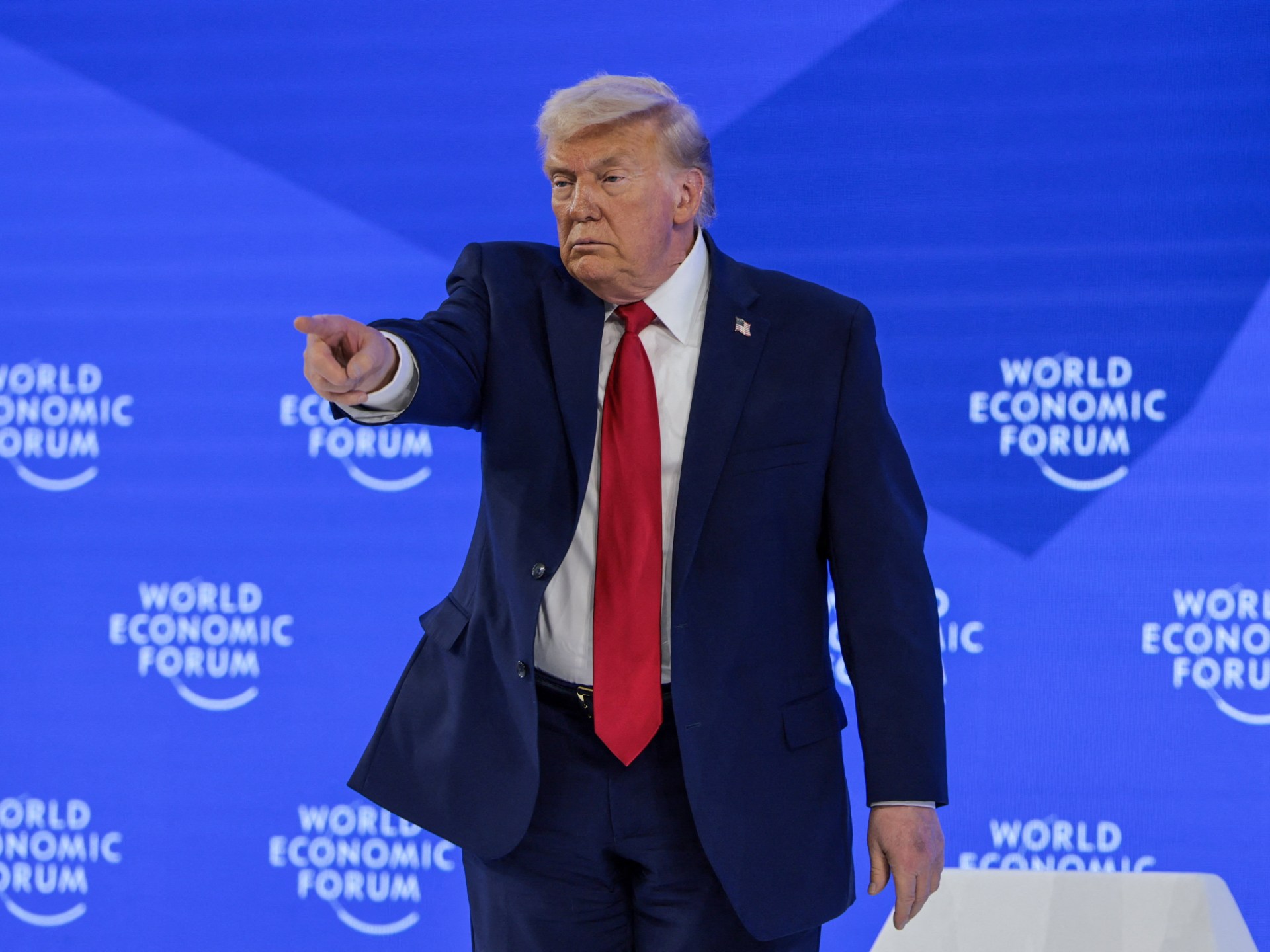

The $5bn lawsuit alleges JPMorgan abruptly closed several accounts in 2021, preventing Trump and his companies from accessing funds.
Published on January 22, 2026
United States President Donald Trump has sued banking giant JPMorgan Chase and its CEO Jamie Dimon for $5 billion, accusing JPMorgan of debanking him and his businesses for political reasons after he leaves office in January 2021.
The lawsuit was filed Thursday in Miami-Dade County Court in Florida. JP Morgan is alleged to have abruptly closed several accounts in February 2021 with only 60 days’ notice and no explanation. In doing so, Trump claims JP Morgan cut the president and his businesses out of millions of dollars, disrupting their operations and forcing Trump and the businesses to urgently open bank accounts elsewhere.
Recommended stories
4 List of itemsEnd of list
“JPMC debanked (Trump and his businesses) because it believed the political climate at the moment was favorable to do so,” the lawsuit alleges.
In a statement, JPMorgan said it “regrets” that Trump sued them but insisted it did not close the accounts for political reasons.
A bank spokesperson said, “We believe the case has no merit. JPMC does not close accounts for political or religious reasons. We close accounts because they pose a legal or regulatory risk to the company.”
The White House said it would refer the matter to the president’s outside counsel.
Banks have faced increasing political pressure in recent years, particularly from conservatives who argue that lenders have taken inappropriately “woke” political positions and, in some cases, discriminated against certain industries such as firearms and fossil fuels.
The pressure has increased in Trump’s second term, with the Republican president claiming in interviews that some banks have refused to serve him and other conservatives. Banks have denied this allegation.
A US banking regulator said last month that the nine largest US banks had in the past been restricted from providing financial services to some controversial industries in a practice commonly described as “debanking”.
Last year, JPMorgan said it was cooperating with inquiries from government agencies and other entities about its policies and practices, in light of pressure from the Trump administration to scrutinize banks over alleged demonetisation.
reputational risk
US regulators have examined themselves to see if overly strict supervisory policies discourage banks from serving certain sectors.
Officials under Trump have also moved to loosen oversight, with federal bank regulators last year saying they would stop policing banks based on so-called “reputational risk.”
Under that approach, supervisors may fine organizations for activities that are not expressly prohibited but may face negative publicity or costly litigation.
Banks have increasingly complained that the reputational risk standard is vague and subjective, giving supervisors broad discretion to discourage them from providing services to certain people or industries.
The industry has argued that regulators need to update anti-money laundering rules, which could force banks to close suspicious accounts without explaining to customers.