


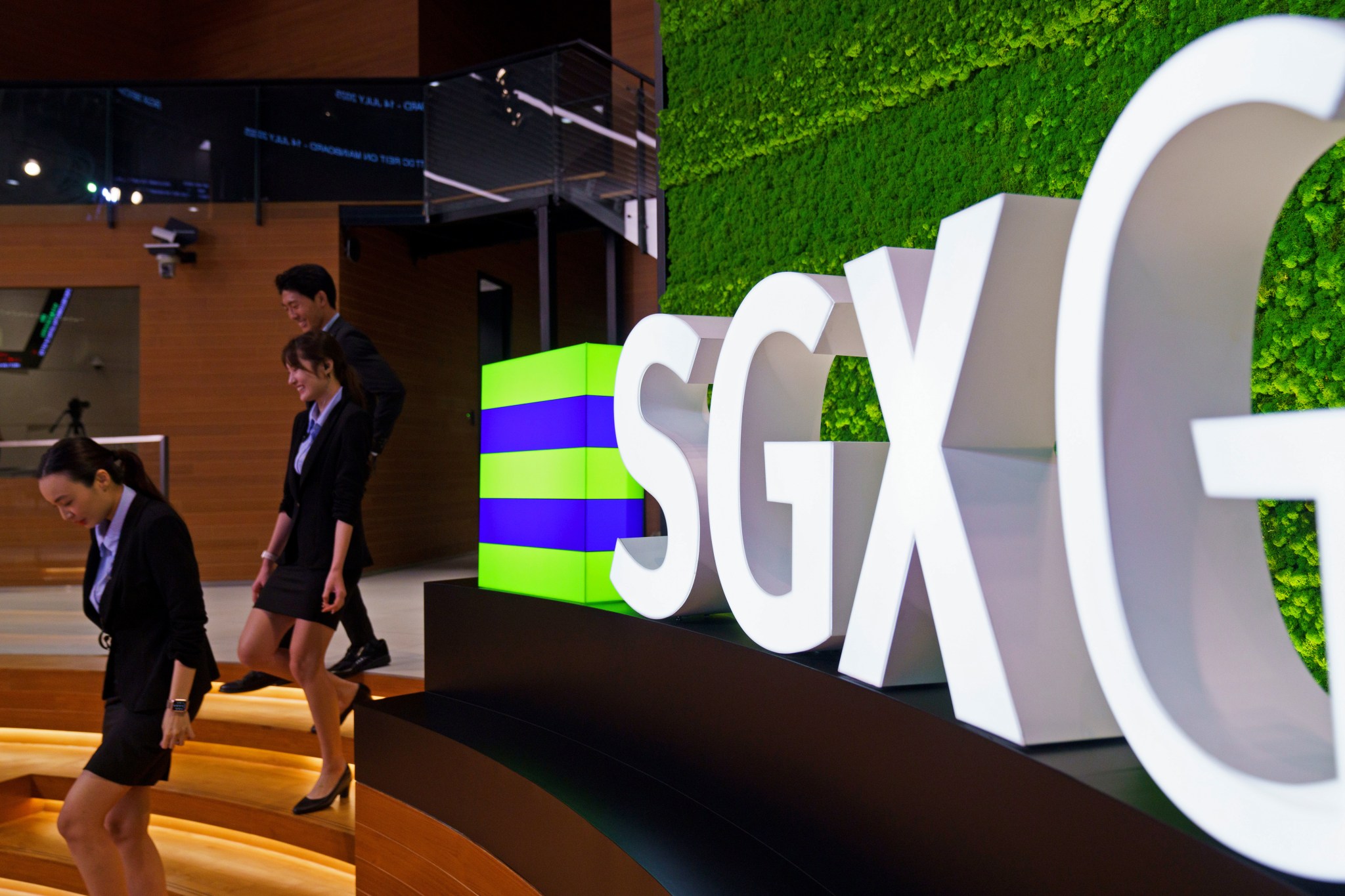
The company will soon have the opportunity to list in the U.S. and Singapore in an unprecedented partnership. SGX-Nasdaq The dual-listing bridge, which will launch later this year, is part of Singapore’s efforts to revitalize its stock exchange, which has lagged other regional exchanges such as the Hong Kong Stock Exchange in attracting initial public offerings and other deals.
Chan Yew Kiang, head of ASEAN IPOs at the accounting firm, said the bridge is likely to attract Southeast Asian companies that want to tap into the U.S.’s deep capital markets while also gaining “strong brand recognition” in Southeast Asia. Ernst & Young.
Tay Hwee Ling, Capital Services Market Leader Deloitte U.S. companies may also take the opportunity to extend trading hours after the U.S. market closes and strengthen their presence in Southeast Asia, Southeast Asia added.
Clifford Lee, head of global banking at DBS Bank, said the partnership also provides a wider range of investment options for Asian investors seeking diversification amid geopolitical uncertainty.
“With Global Listings, companies can get the best of both worlds – US market depth and streamlined access to growth in Asia,” an SGX spokesperson said.
Does it have a positive impact on Singapore?
The Singapore Exchange has long been plagued by low liquidity. SGX’s average daily trading volume is only US$1.4 billion, while Hong Kong Exchange’s average daily trading volume is US$29 billion.
“Mainland China and Hong Kong have large, active retail speculators who drive high daily trading volumes, while Singapore has a smaller, more conservative retail base that prefers dividends and bonds,” said Glenn Thum, research manager at Singapore stockbroker Philips Securities. “Higher liquidity and trading volumes on the Hong Kong exchange attract high-frequency traders, creating a cycle that boosts valuations and attracts more IPOs.”
Hong Kong also benefits from a large number of Chinese companies looking to attract global investors by listing in the financial hub. Mainland China’s exchanges “benefit from the depth and breadth of the local investor base and the size of the market,” said Ernst & Young’s Chen.
Then there’s the US, which offers a deeper pool of capital than other Asian exchanges. This has led to several Southeast Asian companies such as ride-hailing company Grab and e-commerce companies oceanlaunched in the United States, not in Southeast Asia. Recently, Philippine food group Jollibee Foods Corporation (JFC) announced: it will list By 2027, its international business will expand to the United States.
The market in Singapore is improving. In 2025, funds raised from SGX IPOs also surged to the highest level since 2019. Leading the Southeast Asian IPO market. The turnover of securities traded on SGX increased by 29% year-on-year in December.
Still, Singapore’s IPOs are much smaller than Hong Kong’s. Singapore’s largest IPO, NTT DC REIT, raised US$773 million; in comparison, CATL’s secondary listing in Hong Kong raised more than US$5 billion.
Not a “silver bullet”‘
But Philips Securities’ Thum warned that the bridge was not a “magic bullet” because unless U.S. investors actually started trading on Singapore time, companies would still face a local liquidity crunch.
Additionally, only companies with a market capitalization of more than S$2 billion (US$1.6 billion) are eligible for the dual-listing bridge, meaning only a handful of Southeast Asian companies will qualify. For example, Singaporean food group QAF Limited, which owns bakery brands such as Gardenia and Bonjour, has a market capitalization of approximately US$546 million, which means the company cannot apply for dual listing on Nasdaq.
In comparison, the threshold for secondary listing on the Hong Kong Stock Exchange is only a market capitalization of US$385 million.
This story was originally published on wealth network