

Published on January 16, 2026
Emergency repair crews are working tirelessly to restore power in Ukraine’s Kiev region, after relentless Russian attacks on energy infrastructure left residents exposed to the coldest winter in years.
In Boryspil, a city of approximately 60,000, workers are dismantling and rebuilding damaged electrical systems under harsh conditions. They operate at -15 degrees Celsius (5 degrees Fahrenheit) from dawn to midnight, according to Yuriy Bryz, who heads the Boryspil regional division at power company DTEK.
Although they managed to restore power for four hours a day, Bryce explained a recurring challenge: “When the power comes back, people turn on all the electrical appliances available in the house” to quickly wash, cook or recharge appliances, causing the system to collapse again.
Kyiv Mayor Vitali Klitschko described the outage as the longest and most widespread since Russia’s full-scale invasion nearly four years ago, leaving citizens suffering, with some homes without power for days.
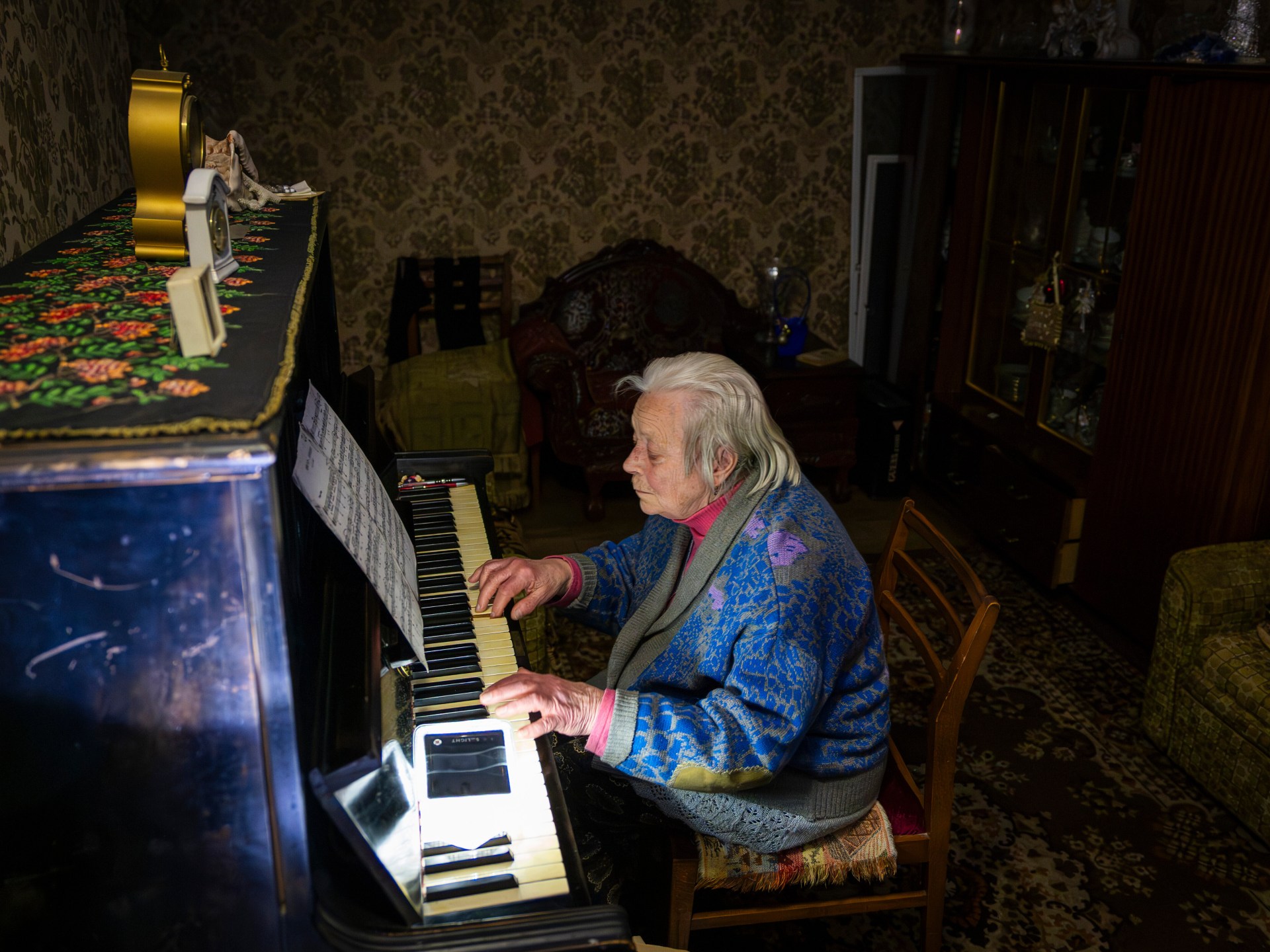
Apartments across the capital are frozen. Residents bundle up in layers against the bone-chilling cold. The city is blanketed in snow and at night, the streets are dark with no visible signs of light in the apartment buildings.
Scientists Mykhailo, 39, and Hanna, 43, reported that the temperature in their 5-year-old daughter Maria’s bedroom dropped to -15C (5F). While they can cook on their gas stove, the family huddles together under several blankets at night. “We have to use up all the blankets in the house,” Hannah said.
The couple takes Maria to work with them during the day, as their workplace has a generator, while her kindergarten has no heating. The Christmas decorations of their apartment remain visible only when illuminated by torches.
Zinaida Hlyha, 76, heats water on her gas stove and keeps bottles on her bed for warmth. She declined to complain, noting that Ukrainian soldiers on the roughly 1,000-km (620-mile) front line face dire conditions.
“Of course it’s difficult, but if you imagine what our people in the trenches are going through now, you have to bear it,” she said. “What can you do? This is war.”