
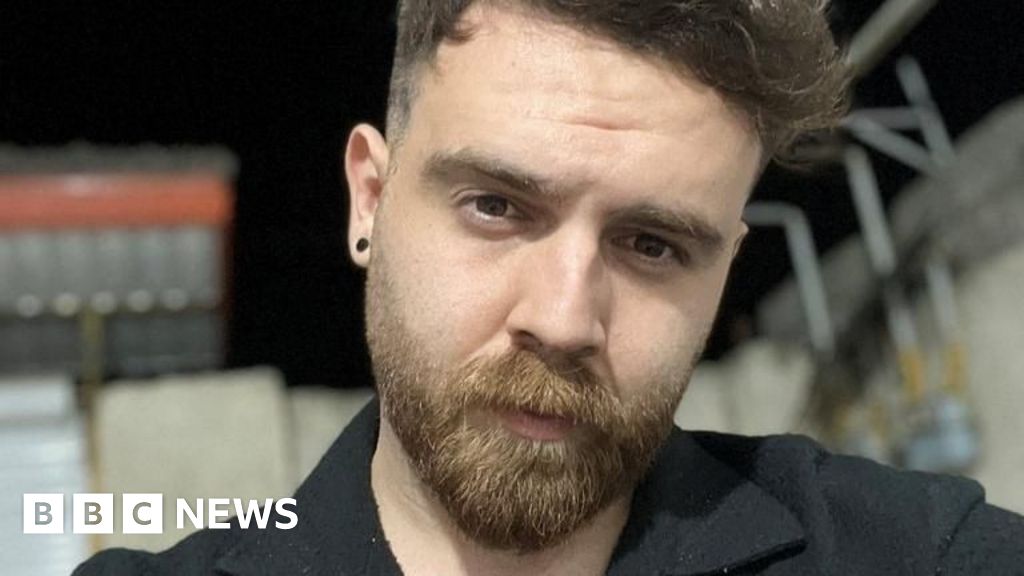

Iran’s judiciary has denied it has scheduled the execution of a man arrested in connection with recent protests in the country.
The Norway-based Kurdish human rights organization Hengaw said earlier this week that the family of Erfan Soltani, 26, was told he faced execution on Wednesday, just days after he was detained.
On Wednesday, Hengaw quoted them as saying that Soltani’s execution had been “postponed” but warned that “serious and ongoing concerns” about his life remained.
The judiciary said he faces charges of “conspiracy against national security” and “propaganda activities against the establishment”, which are not punishable by the death penalty, state broadcaster IRIB reported.
The judiciary said that the reports of foreign media organizations that Soltani faced the execution was an “obvious act of making news”.
Iran’s Foreign Minister Abbas Araghchi also said there were “no plans” to hang people.
It came after President Donald Trump warned that the US would take “very strong action” if Iran killed protesters.
On Wednesday, he told reporters that “very important sources on the other side” informed him “the killings in Iran have stopped, and there are no plans for killings”.
Hengaw told the BBC that Soltani had been denied access to a lawyer and that his family was not aware of any official charges against him.
Soltani, a clothing store owner, was arrested at his home on Thursday over protests in the northern city of Fardis, west of Tehran, according to the group and his family.
However, the judiciary said he was arrested during “riots” on Saturday and held in a prison in the neighboring town of Karaj.
Iran’s chief justice, Gholam-Hossein Mohseni-Ejei, advocated for the speedy trial and punishment of the arrested “rioters”.
“Those elements who mutilate people in the streets or burn people alive must be tried and punished as soon as possible,” he said in a video on Wednesday. “If we don’t do it fast enough, it won’t have the same impact.”
The current wave of protests began after shopkeepers in Tehran went on strike over the rising cost of living and devaluation of the currency.
They quickly spread throughout the country and turned against the clerical establishment in Iran, especially the Supreme Leader, Ayatollah Ali Khamenei. Slogans chanted by the demonstrators included “Death to the dictator” and “Seyyed Ali (Khamenei) will fall this year”.
The protests escalated on Thursday and were met with deadly force by the authorities, capped by a near-total shutdown of internet and communications services.
According to the US-based Human Rights Activists News Agency (HRANA), at least 2,435 protesters have been killed since the unrest began, as well as 13 children and 153 people affiliated with security forces or the government.
It reported that another 18,470 protesters were arrested.